Case Study · Product Design · 0→1 Experience

Tempus — A Connected, Real-Time Workout Experience

A unified workout experience built by a small team focused on clarity, connection, and real-time performance — turning a brand-new training flow into a routine athletes now rely on every day.

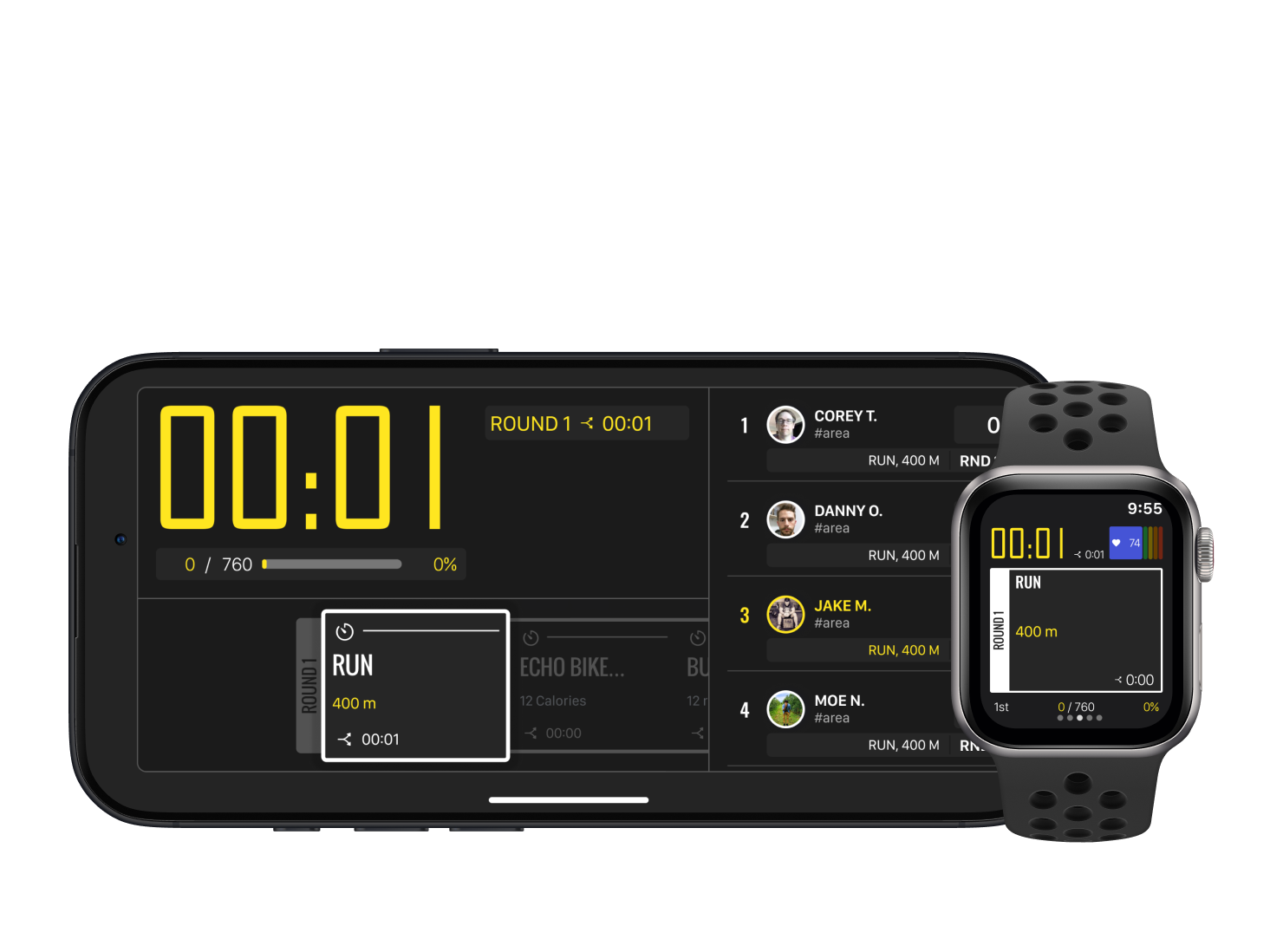
CrossFit leaderboard and Tempus experience across devices
Hero view of Tempus across mobile, watch, and in-gym displays.

Overview

Tempus is BTWB’s boldest step forward — an end-to-end workout timing and tracking experience built directly into the core training workflow. Designed from the ground up, Tempus combines real-time performance insights with a dynamic social layer that keeps athletes motivated and connected.

As lead designer on this 0→1 initiative, I shaped the product vision, defined the multi-device experience, aligned stakeholders, and delivered a cohesive system now used daily by the fitness community.

This case study highlights how we turned a brand-new behavior — training with live data and shared leaderboards — into something athletes and gyms now treat as part of “how they work out.”

Role & Impact

Lead Product Designer

Led the end-to-end design of a new, real-time training experience across phone, watch, and in-gym displays — shaping a product that feels natural in the middle of hard workouts and is now part of athletes’ daily routines.

Experience Type

Connected, Multi-Device

Mobile + Watch In-Gym Displays

Unified timer, tracking, pacing, and live competition into a single, cohesive flow that supports solo sessions, live classes, and remote workouts.

Training Shift

From Logging to Live

Before Tempus After-the-fact logs
With Tempus Real-time training

Problem & Opportunity

Before Tempus, BTWB was great at tracking what happened after training: scores, PRs, and long-term progress. But the workout itself was supported by a patchwork of tools — phone timers, wall clocks, whiteboards, and chat groups.

We saw an opportunity to bring timing, tracking, and social motivation together into a single, connected experience — one that could work just as well in a noisy gym as it does at home.


Research & Domain Understanding

Designing Tempus demanded more than UI work — it required a deep understanding of what athletes, coaches, and gyms are willing to interact with in the middle of hard workouts. I led the research effort, combining internal dogfooding with conversations across our community to shape what “real-time training” needed to feel like.

The Athlete

End User

"Once the clock starts, I can't babysit my phone. I just need to know my time, my pace, and if I’m ahead or behind."

Pacing Clarity Low Friction

The Coach

Class Leader

"I want to see who’s working, who’s falling behind, and how hard the class is going — without leaving the floor."

Class Flow Live Insight

The Gym

Environment

"Anything we put on the floor has to be simple, durable, and readable at a glance. If it slows class down, it gets turned off."

Simplicity Reliability Readability
Research Insights & Needs

In-Workout Needs

Hands-Free Interaction

Once the workout starts, interaction must be minimal — glanceable UI, not constant taps.

Clarity Under Fatigue

Data must be large, high contrast, and prioritized — time, pace, and key splits only.

Low Cognitive Load

"If I have to think about how to use it mid-workout, I’ll stop using it."

Coaching & Connection

Room-Level Visibility

Coaches need to see who’s working, resting, or finished at a glance on a shared display.

Remote Togetherness

"If we’re not in the same room, I still want it to feel like we’re doing the workout together."

Motivation & Competition

Leaderboards, ghosts, and pacers should amplify coaching and community, not replace them.

This research anchored the Tempus roadmap: we focused first on making real-time training feel effortless for athletes, then layered on coaching visibility and shared experiences that make workouts feel more connected and intentional.


My Role: End-to-End Experience Design

From concept to release, I acted as the Lead Product Designer for Tempus, owning the full design lifecycle across mobile, watch, and in-gym displays.

Discovery

User Interviews In-Gym Observation Real-World Workflow Mapping

Definition

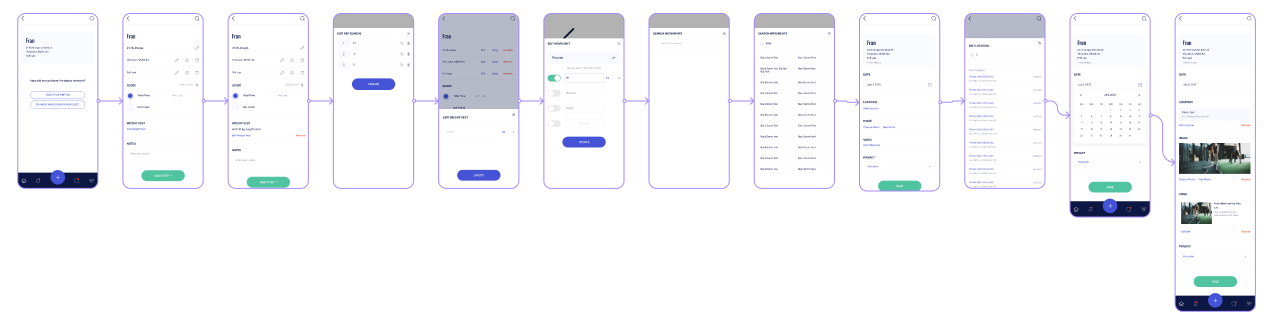
Multi-Device Journey Mapping Flow Creation MVP Scope & Prioritization

Design

UI & Interaction Real-Time UI Systems Prototyping & Testing

Build

Dev Documentation Edge Case Handling Engineering Alignment

Launch

Release Planning Feedback Loops Post-Launch Iteration

Strategic Ownership

  • Defined design direction for Tempus as BTWB’s real-time training layer.
  • Partnered with product and leadership to shape an MVP that felt powerful but shippable.
  • Represented athlete, coach, and gym needs in tradeoff decisions.

End-to-End Execution

  • Took flows from low-fidelity sketches to multi-device, high-fidelity prototypes.
  • Designed UI and interaction patterns for phone, watch, and in-gym displays.
  • Produced dev-ready documentation and supported QA around timing, network, and state edges.

Leadership

  • Aligned product, engineering, and support on what “real-time training” should feel like.
  • Facilitated feedback loops with early adopters — athletes, coaches, and gym owners.
  • Helped keep Tempus visually and behaviorally consistent with the broader BTWB ecosystem.

Execution: Building in Three Tight Phases

We didn’t launch Tempus as a single, monolithic feature. Instead, we shipped in three focused phases, validating each layer in real workouts before adding more complexity.

Phase 1 Foundation

Core Timing & Tracking

Start simple: give athletes a reliable, built-in clock that feels better than the wall timer and paper score sheet they were already using.

  • Built-in workout timer on mobile and Apple Watch.
  • Support for common CrossFit-style formats (AMRAP, EMOM, intervals, chippers).
  • Basic splits and movement tracking tuned for clarity under fatigue.

Outcome: Tempus became a trustworthy replacement for ad hoc timers, proving the value of real-time training inside BTWB.

Phase 2 Connection

Multi-Device & Social Layer

Once the core experience felt solid, we focused on making workouts feel shared instead of strictly solo.

  • Live virtual workouts with friends and training partners.
  • “Ghost” mode to race previous performances and personal bests.
  • Competition against featured athletes and pacers for added motivation.

Outcome: Training started to feel more social and competitive, even when athletes weren’t in the same room.

Phase 3 Class Experience

In-Gym Displays & Room-Level View

Finally, we extended Tempus into the full class environment, giving coaches and athletes a shared view of the workout as it unfolded.

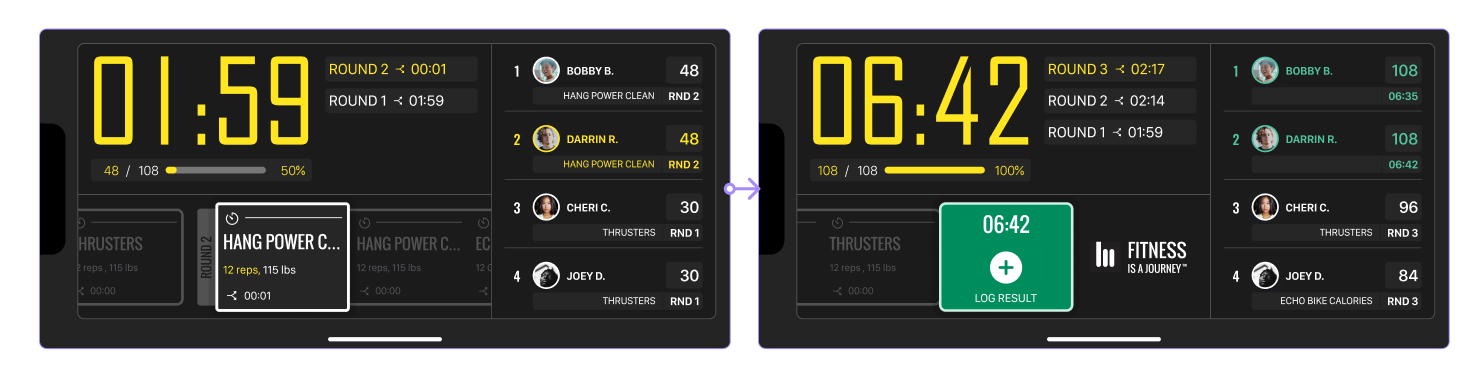
  • Real-time class leaderboard views for in-gym displays.
  • Progress views showing who’s working, resting, or finished at a glance.
  • Layouts tuned for visibility from across the room, balancing density with legibility.

Outcome: Tempus became part of how classes were run — not just a personal tool, but a shared performance surface for the entire room.


What Shipped

Tempus introduced a new level of training inside BTWB:

Together, these features transformed Tempus into a real-time performance layer that supports solo training, remote sessions, and full class environments.


Outcomes & Impact

While formal analytics weren’t available, usage patterns, community feedback, and ongoing investment in the product made the impact clear.

Outcome 1

From New Feature to Daily Ritual

What began as a new way to train quickly became part of how many athletes structure their workouts. Once set up, Tempus fades into the background — it’s there when you need pacing, splits, or a race, and invisible when you don’t.

Outcome 2

Deeper Connection in Remote & In-Gym Training

Live leaderboards and shared views helped athletes feel like they were training together, even when they weren’t in the same room. In class settings, coaches and athletes could see progress unfold in real time.

Outcome 3

Clearer Feedback in the Moment

By surfacing pacing, splits, and performance in real time, athletes could make smarter decisions during a workout, not just reflect afterward. Training sessions felt more intentional and more engaging.

Outcome 4

Foundation for Future Experiences

Tempus laid the groundwork for richer insights and more connected training across the BTWB ecosystem, turning real-time training data into something the product can build on for years to come.


Conclusion

Tempus represents a major evolution for BTWB — shifting from a historical record of training to a live, connected experience that shapes how athletes move, pace, and compete in the moment.

As Lead Product Designer, I drove the vision, interaction design, and visual language for this 0→1 product across multiple devices. The work demonstrates my ability to design for complex, high-intensity contexts, align cross-functional teams, and ship experiences that become part of users’ everyday routines.